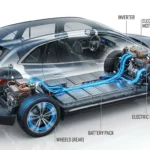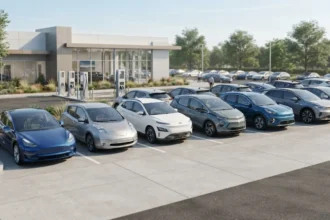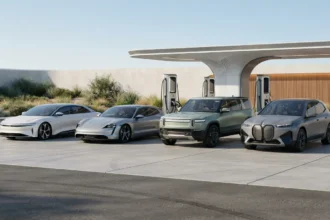

Buying an electric vehicle no longer means spending luxury-car money. Several manufacturers now offer cheap electric cars with practical driving range, modern safety technology, and lower running costs than many gasoline vehicles.
If you’re shopping in 2026, you’ll find more affordable options than ever before. From compact city cars to family-friendly crossovers, today’s budget EVs can comfortably handle daily commuting, weekend trips, and long-term ownership without breaking the bank.
The best choice depends on more than just the sticker price. Charging speed, battery warranty, driving range, interior space, software, and local incentives all affect how much value you actually get.
Quick Answer
If you’re looking for the cheapest electric cars in 2026, models from manufacturers such as BYD, Hyundai, Kia, MG, Chevrolet, Renault, Citroën, Fiat, Volkswagen, and Tesla offer some of the strongest value. Prices vary by country and trim level, so always compare local pricing, incentives, and charging costs before buying.
Learn how EV ownership works in detail in our Electric Car Checklist.
Why Affordable Electric Cars Are Better Than Ever

Only a few years ago, affordable EVs often came with obvious compromises. Many had limited driving range, slower charging speeds, or basic interiors.
That has changed considerably.
Modern entry-level electric vehicles now benefit from improvements in battery technology, software, manufacturing efficiency, and charging infrastructure. These improvements allow manufacturers to build better cars while keeping prices more competitive.
Today’s budget EVs commonly include:
- Advanced driver assistance features
- Large touchscreen infotainment systems
- Smartphone connectivity
- Fast DC charging capability
- Heat pump availability on some models
- Improved battery warranties
- Lower maintenance requirements than gasoline vehicles
Many drivers no longer need to spend premium-car money to enjoy a practical electric vehicle.
How We Selected These Affordable EVs
Price alone doesn’t make an EV a good value.
Some inexpensive models may have limited range, slower charging, or fewer safety features. Others cost slightly more but provide significantly better ownership value over several years.
For this guide, we considered:
- Purchase price
- Real-world usability
- Driving range
- Charging capability
- Safety features
- Interior quality
- Reliability reputation
- Battery warranty
- Running costs
- Availability across major EV markets
Because pricing changes frequently, the figures below represent general price ranges. Actual prices depend on your country, trim level, taxes, incentives, dealer pricing, and currency.
If you plan to charge at home, read Best Home EV Chargers.
Comparison Table: Affordable Electric Cars Worth Considering
| Model | Approx. Price Range* | Best For | Typical Driving Style |
|---|---|---|---|
| Chevrolet Equinox EV | Under or around $40,000 | Families | Daily + Road Trips |
| Hyundai Kona Electric | Mid-range budget | Everyday commuting | City & Highway |
| Kia Niro EV | Mid-range | Practical ownership | Mixed driving |
| BYD Dolphin | Budget buyers | Urban commuting | |
| MG4 Electric | Value seekers | Everyday use | |
| Volkswagen ID.3 | European buyers | Balanced driving | |
| Fiat 500e | City driving | Short commutes | |
| Renault Megane E-Tech | Comfortable family use | Mixed driving | |
| Citroën ë-C3 | Entry-level buyers | Urban use | |
| Nissan Leaf | Proven reliability | Daily commuting | |
| Tesla Model 3 (entry trim where available) | Higher budget option | Long-distance travel | |
| MINI Cooper Electric | Small premium EV | City driving | |
| Volvo EX30 | Compact premium SUV | Families | |
| Dacia Spring | Lowest-cost markets | Urban mobility | |
| Peugeot e-208 | Small hatchback buyers | Everyday driving |
*Prices vary significantly between countries and change over time.
Best Cheap Electric Cars Worth Buying in 2026
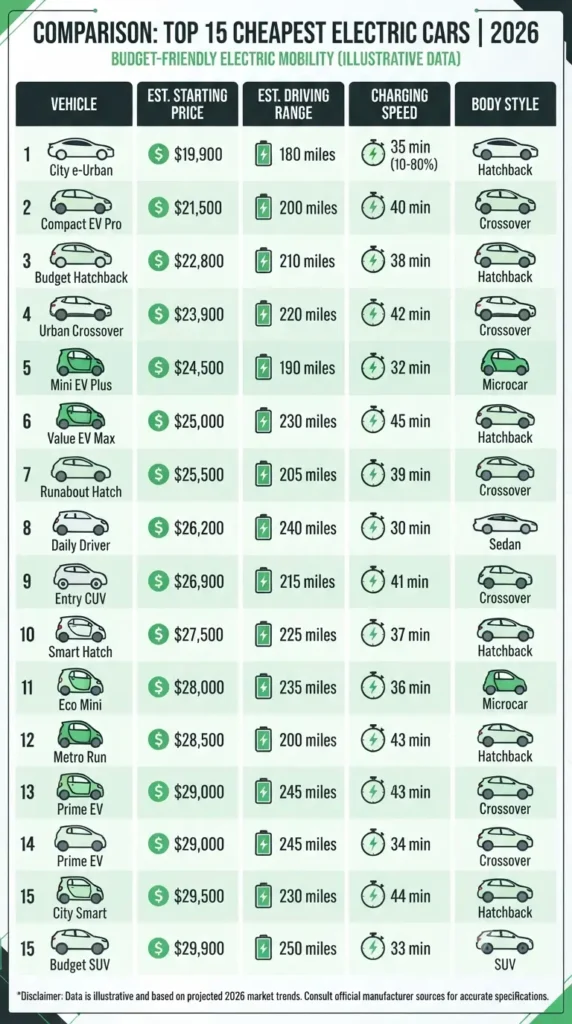
1. Chevrolet Equinox EV
For many buyers, the Chevrolet Equinox EV represents one of the strongest overall values in today’s EV market.
Rather than simply offering the lowest purchase price, Chevrolet focuses on providing a spacious crossover that feels like a practical family vehicle.
Why it’s worth considering
The Equinox EV offers:
- Comfortable seating
- Modern infotainment
- Competitive driving range
- Good cargo capacity
- Family-friendly interior
- Modern driver-assistance features
Instead of feeling like a budget vehicle, it delivers many features buyers previously expected only from more expensive electric SUVs.
Pros
- Excellent overall value
- Spacious interior
- Comfortable ride
- Practical cargo space
- Suitable for families
Cons
- Higher trims increase the price quickly
- Availability varies between markets
Best for: Families wanting an affordable electric SUV without sacrificing practicality.
2. Hyundai Kona Electric
The Hyundai Kona Electric has become one of the safest recommendations for first-time EV buyers.
Hyundai continues improving efficiency, comfort, and technology while keeping ownership costs competitive.
Its compact size makes city driving easy, yet it’s still comfortable enough for highway trips.
What makes it stand out
Unlike many budget EVs, the Kona Electric balances almost everything well.
You get:
- Good driving range
- Comfortable cabin
- Useful technology
- Strong warranty coverage
- Efficient energy consumption
It’s a practical choice for commuters who drive every day and occasionally travel longer distances.
Pros
- Efficient battery management
- Comfortable seating
- User-friendly controls
- Good reliability reputation
Cons
- Rear seat space isn’t class-leading
- Cargo capacity is average
Best for: Drivers wanting an affordable all-around electric vehicle.
3. Kia Niro EV
The Kia Niro EV continues to be one of the easiest EVs to recommend because it does almost everything well.
It isn’t the cheapest.
It isn’t the fastest.
But it delivers excellent overall ownership value.
Many buyers appreciate its practical design, comfortable ride, and predictable driving characteristics.
Highlights
The Niro EV offers:
- Smooth driving experience
- Practical interior
- Competitive efficiency
- Easy-to-use infotainment
- Strong battery warranty in many regions
Long-term ownership costs also remain relatively low compared with many gasoline SUVs.
Pros
- Comfortable suspension
- Practical family layout
- Easy daily driving
- Good resale reputation
Cons
- Styling may not appeal to everyone
- DC charging speeds trail some newer competitors
Best for: Buyers planning to keep their EV for many years.
4. BYD Dolphin
BYD has become one of the world’s fastest-growing EV manufacturers, and the Dolphin explains why.
Instead of focusing only on premium vehicles, BYD has produced an affordable hatchback that offers impressive equipment for the money.
Depending on the market, the Dolphin often includes features usually found in more expensive electric cars.
Why buyers like it
Many owners appreciate:
- Comfortable interior
- Modern dashboard
- Efficient battery options
- Easy city driving
- Competitive pricing
In regions where BYD has a strong dealer network, the Dolphin represents one of the strongest value propositions available.
Pros
- Excellent equipment levels
- Competitive pricing
- Comfortable everyday driving
- Practical cabin
Cons
- Availability varies globally
- Brand recognition still growing in some markets
Best for: Budget-conscious buyers wanting maximum features for their money.
5. MG4 Electric
The MG4 has surprised many automotive reviewers by offering impressive value without feeling like a low-cost compromise.
It combines attractive styling, balanced handling, and practical everyday usability at a price that undercuts many competitors.
What makes the MG4 popular
The MG4 offers a good mix of:
- Modern design
- Comfortable ride quality
- Competitive range
- Useful technology
- Affordable ownership
It’s particularly attractive for drivers moving from gasoline hatchbacks because the transition feels natural.
Pros
- Strong value
- Comfortable handling
- Practical interior
- Good equipment
Cons
- Software experience varies by market
- Dealer availability depends on region
Best for: Buyers seeking one of the best balances between price and everyday practicality.
6. Volkswagen ID.3
The Volkswagen ID.3 remains one of Europe’s best-known electric hatchbacks. While it isn’t available in every market, it continues to be a strong option for buyers looking for a comfortable, well-rounded EV with mature software and balanced driving dynamics.
Volkswagen has steadily improved the ID.3 through software updates, interior refinements, and efficiency improvements since its original launch.
Why it stands out
Unlike some budget-focused EVs, the ID.3 aims to feel like a conventional family hatchback.
Key strengths include:
- Comfortable ride quality
- Quiet cabin
- Good highway stability
- User-friendly driver assistance
- Practical interior space
Pros
- Comfortable everyday driving
- Spacious cabin for its size
- Good efficiency
- Mature EV platform
Cons
- Availability is limited outside Europe
- Higher trims can become expensive
Best for: Drivers wanting a refined family hatchback with modern EV technology.
7. Fiat 500e
If most of your driving happens in busy cities, the Fiat 500e deserves serious consideration.
Rather than chasing maximum range or performance, Fiat focused on creating a stylish urban electric car that’s easy to park, simple to drive, and inexpensive to own.
Why buyers choose it
The Fiat 500e excels at:
- Urban commuting
- Tight parking spaces
- Low running costs
- Stylish design
- Easy maneuverability
For buyers with short daily commutes and home charging, it can be one of the most practical affordable EVs available.
Pros
- Compact dimensions
- Premium-looking interior
- Easy city driving
- Low energy consumption
Cons
- Limited rear-seat space
- Not ideal for frequent long-distance travel
Best for: City residents who rarely need to drive long highway distances.
8. Renault Megane E-Tech
The Renault Megane E-Tech blends practicality, comfort, and modern technology into a family-friendly electric hatchback.
Although pricing varies widely across Europe, it often competes well against similarly equipped rivals.
Highlights
Buyers appreciate its:
- Comfortable seating
- Modern dashboard
- Smooth ride
- Practical luggage space
- Good overall refinement
It’s an excellent choice for drivers who split their time between city streets and motorway journeys.
Pros
- Comfortable interior
- Modern infotainment
- Good build quality
- Family-friendly design
Cons
- Pricing varies considerably by country
- Some options increase the final purchase price significantly
Best for: Families looking for a balanced everyday EV.
9. Citroën ë-C3
The Citroën ë-C3 has attracted attention because it’s designed specifically to make electric mobility more accessible. Citroën positions it as an affordable everyday EV instead of a premium technology showcase. Affordable city-focused EVs like the ë-C3 are becoming increasingly important as manufacturers target first-time electric car buyers.
Why it’s worth considering
Its strengths include:
- Competitive entry price
- Comfortable suspension
- Simple controls
- Practical daily usability
- Compact dimensions
Pros
- Attractive pricing
- Comfortable ride
- Easy to drive
- Good visibility
Cons
- Limited availability outside Europe
- Fewer premium features than higher-priced rivals
Best for: Buyers moving from a small gasoline hatchback to their first EV.
10. Nissan Leaf
The Nissan Leaf remains one of the world’s most recognizable electric cars.
Although newer competitors now offer fresh designs and faster charging, the Leaf still provides a proven ownership experience.
The redesigned 2026 Leaf introduces a more modern design, improved range, and switches from the older CHAdeMO connector to the increasingly common NACS charging port in many markets. It also continues to compete among the most affordable new EVs.
Why many buyers still recommend it
The Leaf continues to appeal because of its:
- Proven reliability
- Comfortable ride
- Easy ownership
- Competitive pricing
- Strong global service network
For buyers prioritizing dependability over having the latest technology, it remains a sensible option.
Pros
- Long track record
- Comfortable daily driving
- Easy to maintain
- Widely recognized model
Cons
- Some competitors now offer faster charging
- Interior design feels conservative compared with newer rivals
Best for: First-time EV owners who value reliability and predictable ownership costs.
What Makes a Cheap Electric Car a Smart Buy?
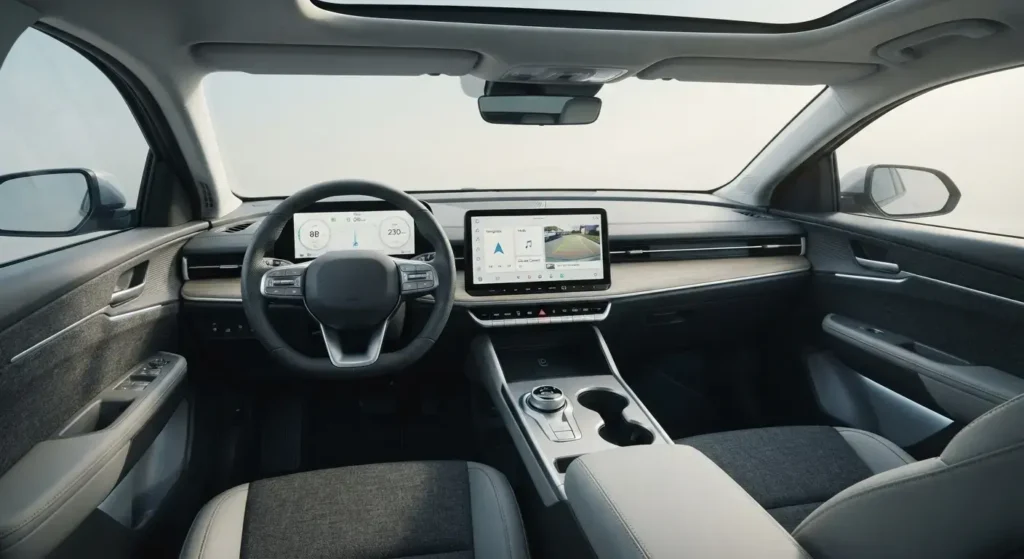
The lowest purchase price doesn’t always translate into the lowest cost of ownership.
Before making your decision, compare:
- Real-world driving range instead of headline figures
- Battery warranty terms
- Local charging infrastructure
- Home charging options
- Insurance costs
- Availability of replacement parts
- Manufacturer service network
- Software update support
Sometimes paying slightly more upfront results in significantly lower ownership costs over five to eight years.
11. Tesla Model 3 (Entry-Level Trim)
For buyers who can stretch their budget slightly, the entry-level Tesla Model 3 remains one of the strongest overall values in the EV market.
While it doesn’t belong in the lowest price bracket, Tesla has introduced a lower-priced 2026 base version in several markets, making the Model 3 more accessible than before.
Why buyers still choose it
The Model 3 continues to stand out because of its:
- Excellent energy efficiency
- Long driving range for the price
- Extensive fast-charging network compatibility
- Strong software ecosystem
- Regular over-the-air updates
If you regularly travel long distances, it can actually cost less to own over several years than some cheaper EVs thanks to its efficiency and charging convenience.
Pros
- Excellent efficiency
- Strong charging experience
- Modern technology
- Competitive resale value
Cons
- Minimalist interior isn’t for everyone
- Ride quality feels firmer than some rivals
Best for: Drivers who frequently take road trips.
12. MINI Cooper Electric
The MINI Cooper Electric isn’t the cheapest option on this list, but it’s among the most enjoyable to drive.
MINI has retained its trademark sharp steering and compact dimensions while delivering a modern electric powertrain.
Why it’s different
Instead of focusing solely on practicality, the MINI delivers:
- Fun handling
- Premium interior materials
- Compact dimensions
- Easy urban driving
- Distinctive styling
Pros
- Excellent handling
- Premium cabin
- Easy parking
- Stylish design
Cons
- Limited rear-seat space
- Smaller cargo area
Best for: Urban drivers who enjoy spirited driving.
13. Volvo EX30
The Volvo EX30 proves that a relatively affordable EV can still feel premium.
Although it costs more than entry-level hatchbacks, it delivers impressive value considering its safety technology, interior quality, and overall refinement.
Highlights
The EX30 offers:
- Scandinavian interior design
- Advanced safety systems
- High-quality materials
- Comfortable ride
- Compact SUV practicality
Pros
- Excellent safety reputation
- Premium interior
- Comfortable driving
- Strong technology package
Cons
- Higher purchase price
- Options can increase costs
Best for: Buyers wanting an affordable premium compact SUV.
14. Dacia Spring
The Dacia Spring continues to be one of the least expensive new electric cars available in Europe.
For the 2026 model year, Dacia updated the Spring with new motors, an LFP battery, and improved efficiency while keeping its entry price highly competitive in several markets.
Why it’s popular
The Spring focuses on affordability above everything else.
That means:
- Extremely low purchase price
- Low running costs
- Easy city driving
- Simple controls
- Excellent efficiency
However, buyers should understand its limitations before purchasing.
Pros
- Among the cheapest new EVs
- Excellent efficiency
- Low maintenance costs
- Ideal for city driving
Cons
- Limited highway performance
- Shorter range than larger EVs
- Basic interior
Best for: Buyers whose driving is almost entirely within citie
15. Peugeot e-208
The Peugeot e-208 remains a strong choice for drivers wanting a traditional hatchback experience with electric power.
Its attractive styling and comfortable driving position continue to appeal to buyers across Europe.
Why buyers like it
Key strengths include:
- Stylish exterior
- Comfortable seats
- Good efficiency
- Practical size
- Easy daily driving
Pros
- Attractive design
- Comfortable cabin
- Smooth driving
- Practical hatchback layout
Cons
- Rear-seat space is average
- Some rivals offer more cargo capacity
Best for: Buyers wanting a stylish everyday electric hatchback.
Which Affordable EV Is Right for You?
Choosing the right EV depends more on your lifestyle than simply finding the lowest purchase price.
| If you want… | Consider… |
|---|---|
| Lowest purchase price | Dacia Spring |
| Best overall value | Hyundai Kona Electric |
| Family SUV | Chevrolet Equinox EV |
| Long-distance driving | Tesla Model 3 |
| Premium compact SUV | Volvo EX30 |
| City commuting | Fiat 500e |
| Practical hatchback | Volkswagen ID.3 |
| Feature-packed budget EV | BYD Dolphin |
| Fun driving | MINI Cooper Electric |
| Long-term ownership | Kia Niro E |
Can You Buy a Good Electric Car Under $40,000?
Yes.
Compared with just a few years ago, buyers now have significantly more choices below the $40,000 mark. Industry analysts also note that the number of EVs priced below this level continues to grow as manufacturing costs fall and competition increases.
Keep in mind that:
- Prices vary by country.
- Taxes differ.
- Dealer pricing changes regularly.
- Government incentives may reduce the final purchase price.
- Exchange rates also affect pricing.
A vehicle that costs under $40,000 in the United States may be priced quite differently in Europe, Australia, or Canada.
Understanding the Real Cost of Ownership
Purchase price is only one part of the equation.
Also compare:
- Electricity costs
- Home charging installation
- Public charging prices
- Insurance
- Tire replacement
- Battery warranty
- Vehicle servicing
- Depreciation
Many affordable EVs have fewer maintenance requirements than comparable gasoline cars because they don’t require oil changes and have fewer moving drivetrain components.
Practical Tips for Buying an Affordable Electric Car
Buying the cheapest EV isn’t always the smartest decision. A slightly more expensive model can save you money over the next five to ten years through better efficiency, stronger resale value, and lower maintenance costs.
Here are a few practical tips before you sign the paperwork.
1. Estimate Your Real Driving Needs
Many buyers overestimate how much range they need.
If your daily commute is around 30–50 miles (50–80 km), almost every modern EV on this list can handle it comfortably.
Pay extra for a larger battery only if you regularly:
- Drive long highway distances
- Travel between cities
- Can’t charge at home
- Live in an area with limited charging infrastructure
2. Check Home Charging Before Buying
Home charging is usually the cheapest and most convenient way to own an EV.
Before purchasing, find out:
- Whether you have off-street parking
- If your electrical panel supports a Level 2 charger
- Local electricity rates
- Available utility rebates or installation incentives
If you rely only on public charging, your running costs may be higher than expected depending on where you live. Home charging typically offers the biggest savings over gasoline.
Internal Link
3. Compare the Battery Warranty
The battery is the most expensive component in an electric vehicle.
Instead of focusing only on price, compare:
- Warranty length
- Mileage limits
- Capacity retention guarantees (where provided)
Most mainstream manufacturers now offer battery warranties of around 8 years, although the exact terms vary by brand and market.
4. Don’t Ignore Charging Speed
Two EVs may advertise similar driving range but provide very different charging experiences.
A faster-charging vehicle can save considerable time during long trips.
Consider:
- Maximum DC fast charging capability
- Level 2 charging performance
- Charging connector compatibility in your region
- Learn the difference between fast charging options in Level 2 vs DC Fast Charging.
5. Think Beyond the Purchase Price
A cheaper car isn’t always the better value.
Look at the complete ownership picture:
- Insurance
- Tire replacement
- Electricity costs
- Service network
- Battery warranty
- Software support
- Resale value
Sometimes spending a few thousand dollars more upfront results in lower ownership costs over several years.
Common Mistakes to Avoid
Buying More Range Than You Need
Many buyers pay for the biggest battery even though they rarely drive long distances.
Choose a battery that matches your actual driving habits.
Ignoring Charging Availability
Before buying an EV, make sure charging fits your lifestyle.
Questions to ask:
- Can you charge at home?
- Is workplace charging available?
- Are public chargers nearby?
- How reliable are they?
Choosing Price Over Value
The cheapest vehicle isn’t always the best purchase.
Interior quality, safety features, warranty coverage, and charging speed often justify spending slightly more.
Forgetting Seasonal Range Changes
Cold weather, high speeds, heavy cargo, and frequent air conditioning or heating use can reduce real-world driving range.
Plan with some extra margin instead of relying solely on official laboratory figures.
Not Researching Local Incentives
Government rebates, tax credits, and utility incentives change regularly.
Always verify the latest programs in your country, state, or province before purchasing because they can significantly reduce the effective purchase price. Incentives and eligibility have changed in several markets over the past year.
Frequently Asked Questions
What is the cheapest electric car in 2026?
It depends on your country. In many European markets, models like the Dacia Spring are among the least expensive. In the United States, affordable options such as the Chevrolet Bolt and Nissan Leaf remain strong value choices
Are cheap electric cars reliable?
Yes. Many affordable EVs from established manufacturers have proven reliable for everyday driving. Reliability depends more on the individual model, maintenance, and manufacturer support than simply the purchase price.
Can I buy a good electric car for under $40,000?
Yes.
Several models now offer competitive driving range, modern safety features, and practical interiors below this price point, although availability and pricing differ by country.
Is home charging necessary?
Not necessarily, but it makes EV ownership much easier and usually less expensive.
If you depend entirely on public charging, compare local charging prices and station availability before buying.
Which affordable EV is best for families?
For many buyers, the Chevrolet Equinox EV, Hyundai Kona Electric, Kia Niro EV, and Volvo EX30 offer an excellent balance of passenger space, cargo capacity, comfort, and everyday usability.
Conclusion
The market for cheap electric cars has improved dramatically, giving buyers more choice than ever before.
Whether you’re looking for the lowest purchase price, a practical family SUV, or a comfortable daily commuter, there are now affordable EVs that deliver strong value without major compromises. Manufacturers are also lowering prices and introducing more budget-friendly models as competition increases, giving consumers better options across different markets.
Before making your decision:
- Compare total ownership costs, not just the sticker price.
- Choose a battery and driving range that fit your actual needs.
- Check your local charging infrastructure.
- Review warranty coverage and available incentives.
- Take a test drive whenever possible.
The best affordable electric car isn’t simply the cheapest one—it’s the one that matches your driving habits, budget, and long-term ownership goals.