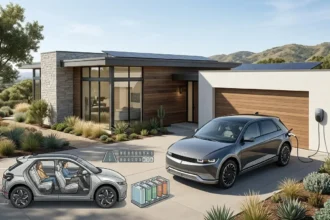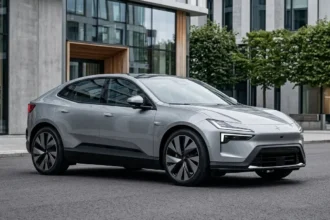
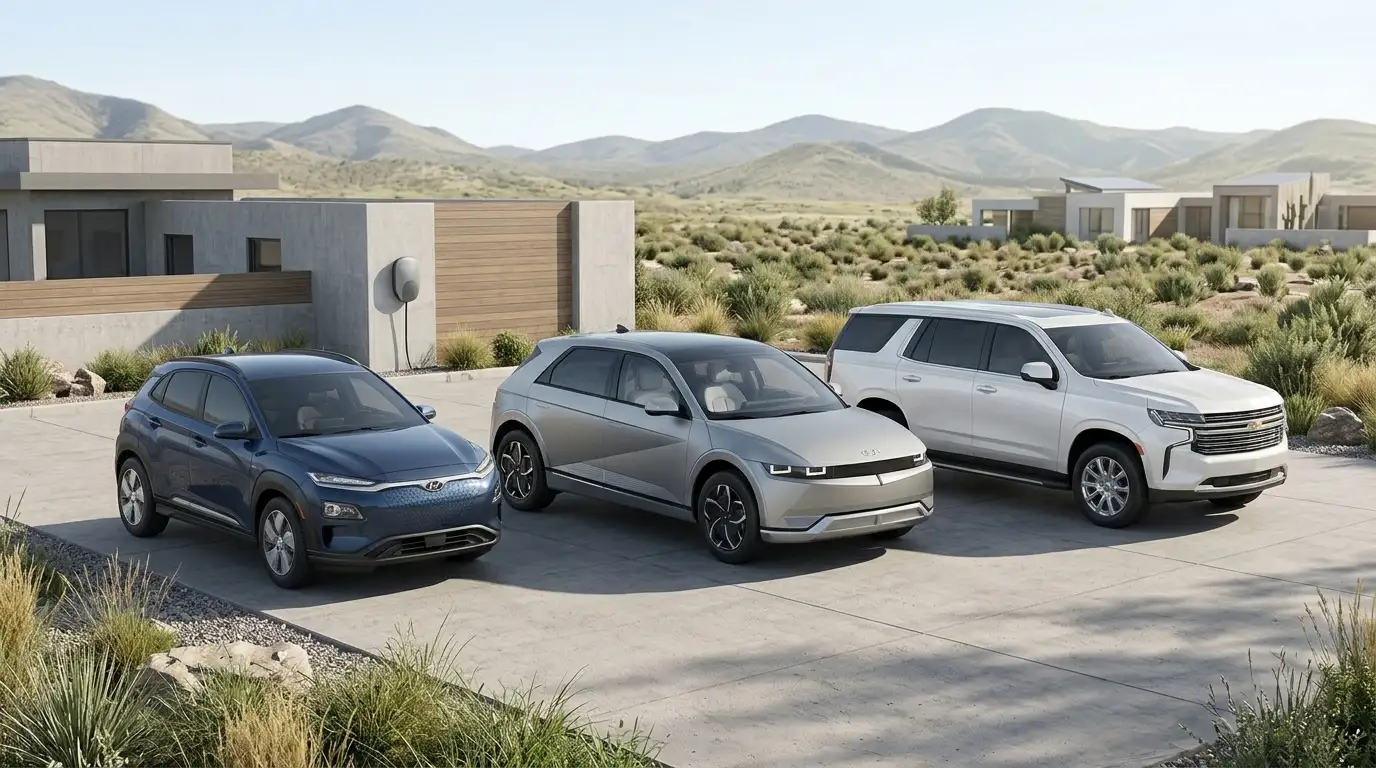
Volvo electric cars give U.S. buyers three distinct SUV sizes to consider: the compact EX30, the midsize EX60 and the large, family-focused EX90. They do not serve exactly the same needs, and their published specifications do not all belong to the same model year.
Buyers comparing Volvo electric cars should look at model size, verified range, charging compatibility and the exact model year before choosing a vehicle.
For buyers planning a purchase in 2027, that distinction matters. Volvo’s U.S. website lists the EX60 as a 2027 model, while its current EX30 and EX90 pages display 2026 model-year specifications. This guide separates those details, compares the published range and starting prices, and explains what to check before choosing an electric Volvo.
The main takeaway: The EX30 is the smaller urban-friendly choice, the EX60 is Volvo’s new midsize electric SUV with a published EPA-estimated range of up to 330 miles for the P10 AWD, and the EX90 is the larger option with available seating for six or seven. The right model depends on your space requirements, budget, driving distance and access to charging.
Volvo Electric Cars: Quick U.S. Model Comparison
The table below reflects the information on Volvo’s U.S. model pages checked on October 23, 2026. It does not treat older published figures as confirmed specifications for a different model year.
| Model | Model-year status on current U.S. pages | Published starting MSRP | Published range information | Best fit |
|---|---|---|---|---|
| Volvo EX30 | 2026 specifications currently displayed | $40,345 | Up to 261 miles for Single Motor Extended Range | City use and smaller households |
| Volvo EX60 | 2027 model | $59,795 | Up to 330 EPA-estimated miles for P10 AWD; P12 range of up to 400 miles is preliminary | Midsize family use and longer trips |
| Volvo EX90 | 2026 specifications currently displayed | $78,090 | Up to 305 miles for specified AWD configurations | Families needing a large SUV and available third-row seating |
| Volvo EX40 | Availability requires checking | Confirm with retailer | Do not assume a new 2027 U.S. version is available | Remaining inventory or pre-owned shopping may be relevant |
Pricing note: The listed starting MSRPs on Volvo’s U.S. pages include a destination fee. They exclude taxes, title, registration, insurance, options and other retailer charges. Actual transaction prices and vehicle availability can vary.
Official specifications: Volvo’s U.S. electric-car lineup, EX30, EX60 and EX90.
Which Fully Electric Volvo Models Should You Compare?
Volvo EX30: A Compact Electric SUV
The EX30 is Volvo’s smallest fully electric SUV in the current U.S. range. Its compact footprint makes it worth considering for urban driving, apartment-area parking and households that do not need a large cargo area or three rows of seating.
The U.S. page currently displays the 2026 EX30. Its starting MSRP is $40,345, and the published EPA-estimated range depends on the version:
- Single Motor Extended Range: up to 261 miles.
- Twin Motor Performance: up to 253 miles.
- EX30 Cross Country Twin Motor Performance: up to 227 miles.
These range figures apply to specified configurations and wheels. They should not be assumed to apply to every EX30, future model year or driving situation.
The single-motor version is the natural starting point for buyers who value range and everyday practicality. Twin Motor Performance models prioritize stronger acceleration and all-wheel-drive capability. That extra performance comes with a different range figure, so compare the exact configuration rather than choosing only by trim name.
Volvo also says U.S. EX30 drivers can access compatible Tesla Supercharger locations using an included NACS fast-charging adapter. Owners should follow Volvo’s adapter instructions and use it only for compatible DC fast charging.
Read the official Volvo EX30 specifications before comparing dealer inventory.
Volvo EX60: The New Midsize Electric SUV
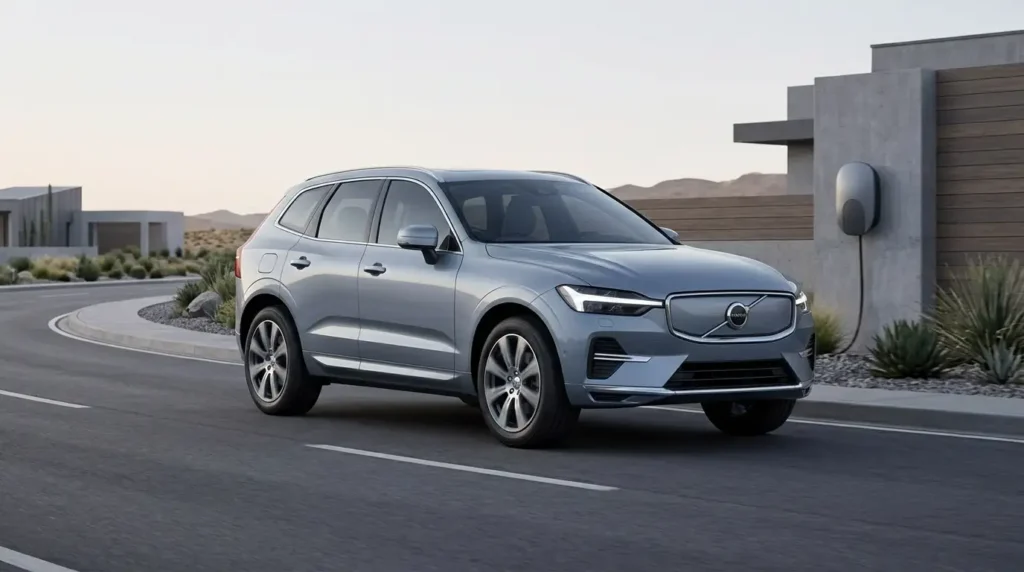
The EX60 is the most important new model to examine in this 2027 buying guide. Volvo identifies it as a midsize, fully electric five-seat SUV and lists a starting MSRP of $59,795 on its U.S. page, including destination.
Its three announced powertrain configurations have different range statuses:
| EX60 powertrain | Published range | Important qualification |
|---|---|---|
| P6 Electric | Up to 307 miles | EPA-estimated |
| P10 AWD Electric | Up to 330 miles | EPA-estimated |
| P12 AWD Electric | Up to 400 miles | Preliminary estimate; official EPA estimate is still pending and availability is listed for a later date |
That last distinction is important. The P12’s 400-mile figure is not the same as a finalized EPA-certified range. The P10 AWD currently provides the clearest published maximum EPA-estimated figure at 330 miles.
The EX60 is also the first Volvo to feature a native NACS charging port for the U.S. market, according to Volvo. That gives it direct access to compatible Tesla Supercharger stations without a separate adapter. The vehicle also uses an 800-volt electrical architecture.
For buyers comparing Volvo’s electric SUV options, the EX60 is the model to investigate if you want a midsize body, longer-distance usability and newer charging technology. Before ordering, confirm the exact powertrain, final equipment, current delivery status and the range certification applicable to the vehicle being offered.
Sources: Volvo EX60 U.S. model page and Volvo’s North American EX60 announcement.
Volvo EX90: A Larger Electric SUV for Families
The EX90 sits above the EX30 and EX60 in size. It is the model to consider when passenger space and available third-row seating matter more than a compact footprint.
Volvo’s current U.S. page displays the 2026 EX90, with a starting MSRP of $78,090 and available seating for six or seven. The published range depends on the powertrain and wheels; specified AWD versions with 21-inch wheels are listed at up to 305 miles.
The EX90 is therefore not a direct size-for-size alternative to the EX30. It is better suited to households that need a large family SUV, extra passenger capacity and more room for everyday luggage.
Before buying one in 2027, check whether the vehicle on offer is a 2026 model or a confirmed newer model year. Do not transfer 2026 prices or specifications into a 2027 comparison unless Volvo has published the corresponding 2027 details.
Visit Volvo’s official EX90 page for the latest model and configuration information.
What About the Volvo EX40 and C40 Recharge?
Older Volvo electric-car searches may still surface the EX40, C40 Recharge and XC40 Recharge names. They remain relevant when researching used vehicles, but they should not automatically be treated as current new-car choices for a 2027 U.S. purchase.
Volvo’s current model pages and availability information do not present every older model name as a currently orderable new vehicle. Inventory can differ by retailer, and certified pre-owned stock may remain available.
If you’re comparing an older C40 Recharge or XC40 Recharge with a newer EX model, verify the model year, battery and powertrain, charging connector, remaining battery warranty, recall status and vehicle history. Similar-looking names do not guarantee identical equipment or specifications.
Volvo Electric Car Range Compared
The range offered by Volvo electric cars varies by model, powertrain and wheel configuration, so compare the exact version rather than relying on one brand-wide figure.
Range is among the most useful numbers to compare, but it needs context. EPA-estimated range is intended to help compare vehicles under a common testing system; it is not a promise of how far a car will travel on every trip.
For the currently published U.S. specifications in this guide:
- The EX30 Single Motor Extended Range is listed at up to 261 miles.
- The EX60 P10 AWD is listed at up to 330 EPA-estimated miles.
- The EX90 is listed at up to 305 miles in specified AWD configurations.
- The EX60 P12 is advertised at up to 400 miles, but that figure remains preliminary and its official EPA range is pending.
The EX60 P10 currently has the highest clear EPA-estimated figure among these model configurations. The preliminary P12 number may change, so it should not be used as if it were already a final certified rating.
What Changes Real-World Range?
Even if two vehicles have similar EPA estimates, they may not cover the same distance on a particular journey. Actual range is affected by:
- Temperature: Cold weather can reduce available range and make battery heating necessary.
- Speed: Sustained highway driving usually consumes more energy than slower driving.
- Wheels and tires: Wheel size, tire design and pressure can affect efficiency.
- Elevation and load: Hills, passengers, luggage and towing can increase energy use.
- Climate control: Heating and cooling the cabin consume electricity.
If you regularly travel long distances, compare the exact version you intend to buy and consider the distance between compatible charging stops. You can also use Go Electric Hub’s EV range calculator to explore how driving conditions affect an EV’s usable range. Any calculator result is an estimate, not a substitute for the manufacturer’s rating.
Volvo Electric Car Charging: Home, Road Trips and NACS
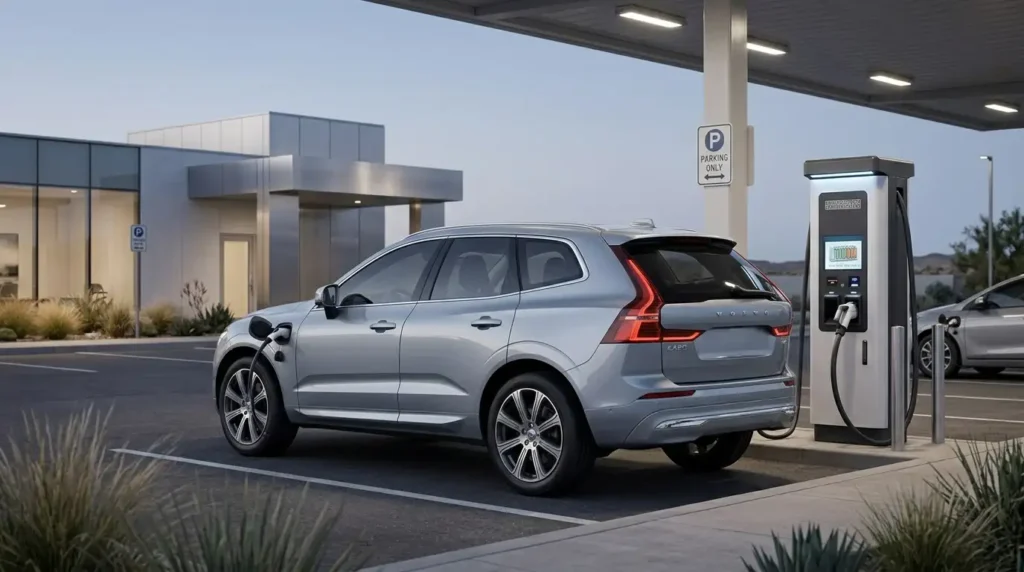
Charging convenience can matter as much as range. A vehicle that covers your daily mileage easily may still be inconvenient if you cannot charge it where you park.
Home Charging
For drivers with suitable off-street parking, home charging can make EV ownership easier because the vehicle can be connected while parked overnight. The charging speed depends on the car’s onboard AC charger, the supply and circuit, the charging equipment and the installation.
Before installing a charger, check the exact vehicle’s accepted AC charging power and connector requirements. Do not choose equipment only because it advertises a high kilowatt rating; the car and the electrical installation both limit the speed.
For help choosing equipment, see Go Electric Hub’s EV charger installation cost guide and EV charging time calculator.
DC Fast Charging
DC fast charging is more useful on road trips or when the battery needs a quick top-up away from home. A car’s maximum charging rate does not mean it will remain at that rate throughout the session. Battery state of charge, temperature, charger output and vehicle settings all affect the charging curve.
Volvo’s published EX30 page gives a fast-charging estimate of about 26.5 minutes from 10% to 80% under specified conditions. For the EX60, Volvo lists different charging estimates by powertrain and charger output. Those figures are best treated as ideal-condition comparisons rather than guaranteed stop times.
For a road trip, include time to leave the highway, connect, authorize charging and return to the route. The time spent charging alone is not the complete stop time.
NACS and Tesla Supercharger Access
Charging compatibility is changing, and buyers should check it by model year.
Volvo says the EX60 has a native NACS port, providing access to compatible Tesla Superchargers without a separate adapter. The EX30’s U.S. page refers to an included NACS fast-charging adapter. Other model years and vehicles can have different equipment and requirements.
Volvo’s NACS adapter support information explains how the approved adapter works at compatible DC fast-charging stations. Follow Volvo’s guidance carefully: a DC fast-charging adapter is not automatically suitable for Level 1 or Level 2 AC charging at home.
Before ordering, confirm three things with the retailer: the vehicle’s physical charging port, the adapter supplied with that model year and the public networks it can access.
Volvo Electric Car Prices and Ownership Costs
Volvo’s current U.S. pages show the following starting prices for the models covered in this guide:
| Model page | Starting MSRP currently displayed | Model-year context |
|---|---|---|
| EX30 | $40,345 | 2026 specifications |
| EX60 | $59,795 | 2027 model |
| EX90 | $78,090 | 2026 specifications |
These are starting MSRP figures, not guaranteed dealer transaction prices. Options, local taxes, registration costs, insurance and dealer pricing can affect the final amount. Inventory and incentives may also change.
The cheapest listed model is not necessarily the lowest-cost option for every owner. A smaller vehicle may cost less to purchase, while a larger SUV may better fit the household’s seating and cargo requirements. A more expensive long-range model may reduce charging stops on frequent long trips, but it may not provide meaningful extra value for a driver who mostly travels short distances.
Calculate the Cost Beyond the Sticker Price
Before committing to a Volvo EV, consider:
- Purchase or lease payment: Compare the specific trim, financing terms and current retailer offer.
- Home charging setup: Include equipment and any electrical work needed at the property.
- Electricity: Estimate annual energy use from your typical mileage and the vehicle’s efficiency, then apply your actual electricity rate.
- Public charging: Consider how often you expect to depend on paid DC fast charging.
- Insurance, tires and maintenance: Get quotes for the actual model and wheel configuration rather than assuming every EV costs the same to operate.
- Incentives: Check current federal, state, utility and local programs with the relevant official body before including them in your budget.
A realistic comparison uses your driving pattern and local energy prices. There is no single charging-cost number that applies to every Volvo owner.
Safety, Battery Warranty and Long-Term Ownership
Volvo emphasizes safety technology in its electric vehicles, but buyers should compare the actual equipment fitted to each model and trim. Standard driver assistance, optional features, software-dependent functions and availability can differ by configuration.
Battery warranty terms also deserve attention. Volvo’s U.S. warranty information explains that high-voltage battery coverage varies by model year and vehicle type. Its published U.S. information commonly refers to eight years or 100,000 miles under the federal emissions warranty, while California emissions-warranty states can have different coverage. Check the warranty booklet for the exact vehicle and state before relying on a headline warranty figure.
For a used EV, ask whether the high-voltage battery warranty is still active, what conditions apply and whether service records are available. A battery-health report can be useful, but its method and limits matter; do not assume a single displayed state-of-health percentage guarantees future range.
Long-term ownership also includes tires, brake inspections, suspension wear, software support and service availability in your area. An EV still needs maintenance, even though it does not need conventional engine-oil changes.
Volvo Hybrid Cars vs Fully Electric Volvo SUVs
Volvo sells more than one kind of electrified vehicle. A fully electric car uses battery power and requires charging from an external source. A plug-in hybrid combines a rechargeable battery and electric motor with a gasoline engine.
That difference is important when shopping across Volvo SUVs. Models such as the XC60 and XC90 have been sold with plug-in hybrid powertrains, while the EX30, EX60 and EX90 discussed here are fully electric models.
A Volvo hybrid SUV may suit someone who wants to make many local trips using electricity but also wants a gasoline engine for longer journeys. A fully electric Volvo may suit you better if you have reliable access to charging stations and want to avoid gasoline altogether.
The right choice depends on where you drive and how you charge—not simply which badge appears on the tailgate. Go Electric Hub’s hybrid-versus-electric buying guide covers the broader ownership decision.
Pros and Cons of Volvo Electric Cars
Advantages
Different sizes for different households: The EX30, EX60 and EX90 cover compact, midsize and large-SUV needs rather than forcing every buyer into one body style.
Competitive published range for the EX60: Its P10 AWD version has a listed EPA-estimated range of up to 330 miles, while a higher-range P12 version is expected later with a preliminary estimate up to 400 miles.
Modern charging features: The EX60 has a native NACS port, and the EX30 page describes NACS adapter access for compatible fast chargers.
Available family seating: The EX90’s six- or seven-seat configuration makes it the option to examine when a third row is important.
Potential Drawbacks
Model-year information is not uniform: The current EX30 and EX90 U.S. pages show 2026 details while the EX60 is listed as a 2027 model. Buyers should not assume every specification has already been updated for 2027.
A larger battery and vehicle can cost more: The EX60 and EX90 have higher starting prices than the EX30.
Range is configuration-dependent: Powertrain, wheel size, temperature, speed and driving conditions affect the distance covered between charging stops.
Charging access needs checking: Adapter requirements and network access vary by model year and charging station. Verify compatibility before relying on a particular network.
Preliminary estimates can change: The EX60 P12’s 400-mile figure is not yet a final official EPA range rating.
Which Volvo Electric Car Should You Buy in 2027?
The best option depends on your actual use rather than an overall ranking.
For buyers choosing between Volvo electric cars, the EX30 suits drivers who prefer a compact SUV, the EX60 offers a midsize option, and the EX90 provides more family space.
Choose the EX30 if a compact SUV meets your needs and most journeys are relatively short. Compare the Single Motor Extended Range with Twin Motor versions carefully because their range and driving characteristics differ.
Consider the EX60 if you want a midsize electric SUV and place a high value on range and charging technology. The P10 AWD currently has a published EPA-estimated range of up to 330 miles. If you plan to buy the P12, verify its availability and final EPA range rating before making your decision.
Consider the EX90 if you need a larger cabin and available six- or seven-seat configuration. Check the actual model year offered by the retailer rather than assuming the published 2026 specifications are automatically applicable to 2027 vehicles.
If you’re uncertain about vehicle size, compare the EX30, EX60 and EX90 in person. Bring your normal passenger count and think about the gear you regularly carry. This practical check can reveal more about the right choice than a range figure alone.
For cross-brand alternatives, Go Electric Hub’s best electric SUVs comparison and best luxury electric SUVs guide offer a wider market view.
Volvo Electric Cars FAQ
Volvo’s U.S. electric-car pages highlight the EX30, EX60 and EX90.As of October 23, 2026, Volvo lists the EX60 as a 2027 model, while its current EX30 and EX90 pages show 2026 specifications. Availability can vary by model, retailer and location, so check current inventory and model-year details before purchase.
The EX60 P10 AWD has a published EPA-estimated range of up to 330 miles. Volvo also advertises a preliminary range of up to 400 miles for the P12 AWD. However, the official EPA range estimate remains pending, and Volvo lists the powertrain for future availability. Buyers should distinguish the preliminary estimate from an official EPA rating.
The current U.S. model pages list starting MSRP figures of $40,345 for the 2026 EX30, $59,795 for the 2027 EX60 and $78,090 for the 2026 EX90. These figures include destination charges but exclude taxes, registration, options and other costs. Retailer pricing and availability may differ.
The EX90 is the natural choice for families who need a large SUV and available third-row seating. Families who need a midsize, five-seat electric SUV may prefer the EX60, while those who need less space may find the smaller EX30 a better fit. Try the actual seats and cargo area before making a decision.
Final Verdict: Which Volvo Electric Car Makes the Most Sense?
Volvo electric cars offer different routes into electric SUV ownership. The EX30 is the compact choice, the EX60 is the new midsize model with a published EPA range of up to 330 miles for P10 AWD, and the EX90 is the larger family option with available six- or seven-seat configurations.
For many shoppers who want a balance of space and range, the EX60 deserves close attention. Buyers who need a third row should examine the EX90, while drivers who want a smaller vehicle may find the EX30 more practical.
Before signing, verify the exact model year, trim, starting and final price, EPA range, charging hardware and current availability. That last check matters even more when the model-year lineup changes: manufacturers may publish 2026 specifications, but buyers should verify the figures before treating them as confirmed 2027 specifications.